


César Chávez Scandal Leaves Many Seeking Accountability and Answers
Updated: Mar 27
Many in the Latine community are soul searching after explosive allegations against the late civil rights icon who co-founded the United Farmworkers union, that he sexually abused women and girls.
The New York Times investigative story that documented allegations that César Chávez sexually abused women and girls has left many followers of the late civil rights leaders reeling.
The probe painted a picture of Chávez as a serial abuser who used his icon status to coerce women and young girls into sexual acts that included statuatory rape and fathering a child from rape.
For those who elevated him to icon status among civil rights leaders, the downfall has been swift and hard.
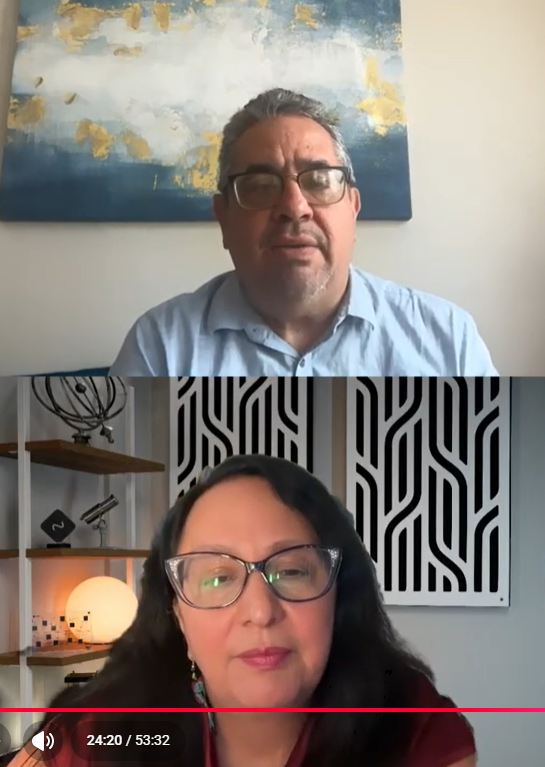
ImpactoAZ called upon two college professors who grew up in homes that revered Chávez, who died in 1993, to provide some thoughts and insight about how the community most affected could respond.
Two themes emerged from that discussion: accountability and healing.
For Teresa Puente, a journalism professor at Cal State-Long Beach, the response should be clear: "Believe the women."
"We need to look deeper at this culture of misogyny, not just then, but now," she said.
She urged further probing, whether by the union or New York Times, of the circumstances that allowed this to happen. Several of the examples of abuse cited by the Times occurred in the 1960s and 1970s.
"Did the foundation or the union know about these allegations? Did people sit on them? I think these are questions we want answered for true accountability," Puente said.
She noted that one of the victims tried to speak out more than a decade ago in a Facebook post.
David López, a law professor at Arizona State University and a well-known civil rights lawyer who served as the General Counsel of the U.S. Equal Employment Opportunity Commission during the Obama administrion, agreed that the victims should receive full priority.
"I think we need to center the women, the victims and start from there." he said. "As someone who has worked on many sexual harassment cases, I think that's where you must start as a moral matter and remind ourselves of how much of the victims' lives were lost because of this."
It might also be helpful for people to view the farmworker movement as a collective campaign, not just about its most well known leader. "It's a reminder that the movement was about everybody who walked, everybody who was on strike and everybody who marched across the country and boycotted grapes," said. "It's the collective that holds the power."
To see the full podcast. visit here and remember to subscribe to the ImpactoAZ YouTube channel.
st, two college professors, who were raised in homes that revered Chavez for his work on behalf of farmworkers, share how they're processing these revelations and offer a framework for the community's response to these damaging developments. The framework includes accountability and healing in what could be a long process.


Comments